
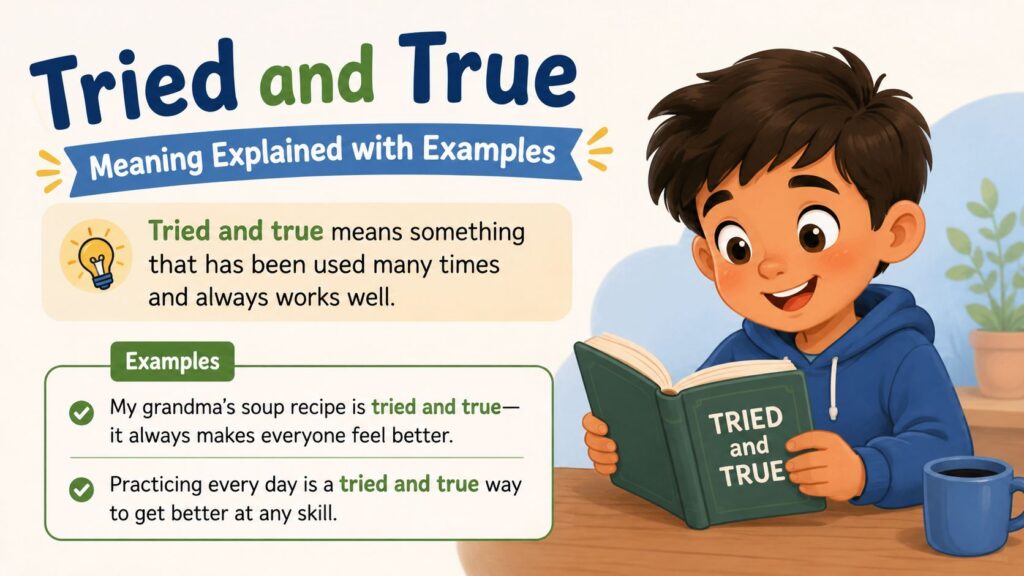
Tried and true meaning refers to something that’s been tested repeatedly and proven reliable, dependable, and effective over time. It’s a phrase reserved for the things that have earned their reputation through real experience, not empty promises.
Think about the one recipe, route, or piece of advice you keep coming back to, year after year, without fail. That’s the magic behind this simple three-word phrase: it captures trust built the hard way.
This guide breaks down where the expression came from, how to punctuate it correctly, and how to use it naturally in conversation, writing, and marketing. Whether you’re a curious writer or a careful editor, you’ll walk away knowing this phrase inside and out.
Key Takeaways
- Tried and true describes something that’s been tested repeatedly and proven reliable over time.
- It functions as an adjective phrase, and you hyphenate it (tried-and-true) only when it comes directly before the noun it modifies.
- The phrase dates back centuries, with roots in Middle English testing traditions, and it still carries a warm, trustworthy connotation today.
- Common alternatives include time-tested, proven, and tried and tested (the more common British English version).
- Overusing it in formal or highly technical writing can make your work sound like a cliché, so save it for moments where “reliable” genuinely fits.
What Does “Tried and True” Mean?
At its core, the tried and true meaning boils down to one idea: something has been tested again and again, and it keeps working. Think of an old pickup truck that’s started every single morning for fifteen years. That truck is tried and true. It’s not flashy, and it’s not new, but you trust it because it’s earned that trust through repeated use.
Simple Definition
According to Merriam-Webster, “tried and true” means “tested and proven to be good or effective.” That’s about as clean a definition as you’ll find, and it captures the two-part logic baked into the phrase itself: something gets tried (tested), and it comes out true (reliable, accurate, dependable).
You’ll often see it used to describe:
- Methods or techniques (“a tried and true recipe”)
- Products (“a tried and true skincare routine”)
- People (“a tried and true friend”)
- Strategies (“a tried and true marketing approach”)
In every case, the phrase signals dependability earned through experience, not just a claim made on day one.
ALSO READl: KMS Meaning in Text: The Real 2026 Guide to This Viral Slang Everyone Keeps Misreading
Part of Speech, Pronunciation, and Word Origin at a Glance
Here’s a quick-reference table if you just need the basics fast:
| Category | Detail |
|---|---|
| Word class / part of speech | Adjective phrase (compound adjective) |
| Pronunciation | /traɪd ənd truː/ (rhymes with “cried and blue”) |
| First known use | Traced to the 14th–15th century in Middle English |
| Modern meaning | Reliable, proven, dependable through repeated testing |
| Common variant | Tried and tested (British English) |
| Hyphenated form | Tried-and-true (used before a noun) |
This word class matters more than people realize. Because it functions as a single adjective, the individual words “tried” and “true” don’t carry separate grammatical weight once they’re paired. You’re not describing two things; you’re describing one quality made of two ideas fused together.
Where Does “Tried and True” Come From?
Origin: The Original Sense of “Tested and Proven”
The historical meaning of “tried and true” connects directly to the literal sense of the word “tried.” Centuries ago, to “try” something meant to test it, examine it, or put it through some kind of trial, much like we still say a court case is “tried” today. Metals were tried by fire. Loyalty was tried by hardship. Recipes were tried by repeated cooking. Once something passed that test consistently, people called it “true,” meaning accurate, faithful, or dependable.
Put those two ideas together, and you get a phrase describing anything that’s survived repeated scrutiny and come out reliable on the other side.
First Recorded Use
Language historians trace expressions using “tried” in this testing sense back to Middle English, and the specific pairing “tried and true” shows up in English literature and common speech by at least the 1500s. The Oxford English Dictionary notes similar constructions appearing in early English poetry and proverbs, where alliterative, rhythmic phrases like this one were common because they were easy to remember and pass down orally. That’s actually part of why the phrase stuck around for so long: it sounds good. The near-rhyme between “tried” and “true” makes it satisfying to say, which is a big reason idioms like this survive for hundreds of years while more awkward phrasings fade out.
How the Meaning Evolved Over Time
Originally, the phrase meaning leaned more literal. Something was “tried” through an actual test, often a formal or dramatic one, like a trial by combat or a legal proceeding. Over the following centuries, English speakers broadened the phrase to cover everyday reliability rather than just formal testing. By the 19th and 20th centuries, “tried and true” had settled into the general-purpose expression we use now: it can describe anything from a friendship to a football play, as long as it’s proven itself through repeated use.
This shift from narrow, formal testing to everyday reliable expression is common in English idioms. Words and phrases tend to soften and generalize as they’re passed down, and “tried and true” followed that exact pattern.
Idiom or Literal Phrase? Understanding How It Functions
Why It’s Classified as an Idiom
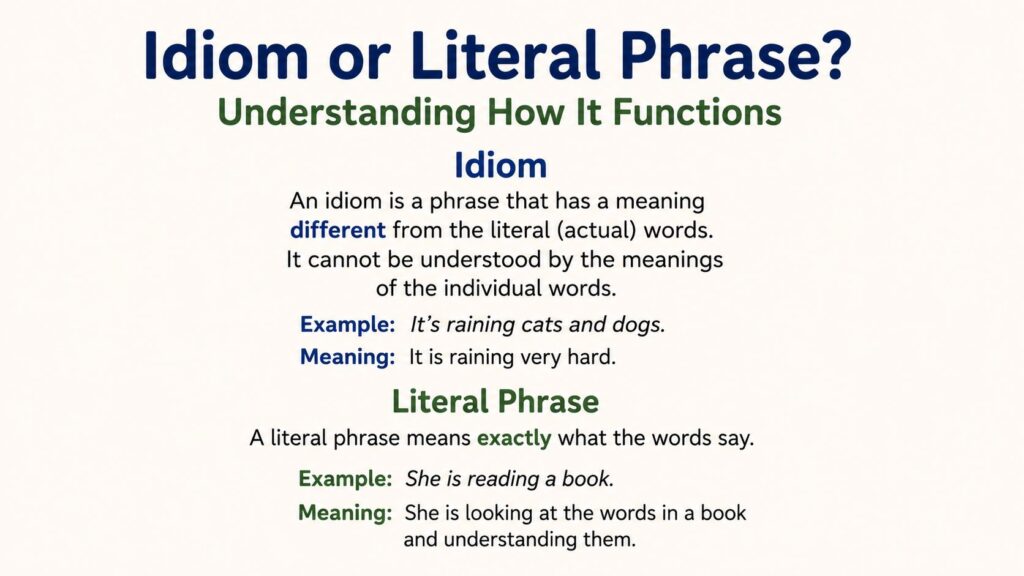
Technically speaking, “tried and true” counts as an idiom, or more specifically, a fixed adjective phrase. That’s because the two words work together as a single unit of meaning, and you can’t really swap one out without breaking the phrase. You wouldn’t say “attempted and true” or “tried and honest,” even though those words are close synonyms individually. The pairing is locked in by convention, not just logic.
That’s the hallmark of an idiom: the meaning of the whole phrase is bigger, or at least different, than the sum of its parts. When you call a strategy “tried and true,” you’re not making two separate claims (that it was tested, and that it’s true). You’re making one claim: this thing is dependable, full stop.
The Difference Between Saying Something Is “Tried” vs. “Tried and True”
Here’s a subtle distinction that trips up a lot of English learners, and even some native speakers. Saying something was simply “tried” only tells you it was tested. It says nothing about the outcome. Maybe it failed. Maybe it worked once and never again.
“Tried and true,” on the other hand, guarantees a positive result. It’s shorthand for “we tested this, and it held up.” That’s a much stronger claim, and it’s the whole reason marketers and writers reach for the full phrase instead of just saying something was “tested.”
Hyphenation Rules: “Tried and True” vs. “Tried-and-True”
This is where a lot of writers stumble, so let’s clear it up with some solid grammar rules.
When to Hyphenate (Before a Noun, as a Compound Modifier)
When “tried and true” sits directly in front of the noun it’s describing, you hyphenate it. This turns it into what grammarians call a compound modifier, and English generally hyphenates compound modifiers before nouns to prevent confusion about which words belong together.
Example: She relied on a tried-and-true method to fix the leak.
Here, “tried-and-true” modifies “method” directly, so the hyphens connect the phrase into a single visual unit for the reader.
When Not to Hyphenate (After a Verb)
When the phrase comes after the noun, usually following a linking verb like “is,” “was,” or “seems,” you drop the hyphens entirely.
Example: This method is tried and true.
In this version, “tried and true” functions as a predicate adjective, describing the subject from the other side of the verb. Since there’s no risk of the reader misreading which words modify which, the hyphens aren’t necessary.
Quick Test: How to Check Which One You Need
Ask yourself one question: Does the phrase come immediately before a noun it’s describing?
- If yes, hyphenate it: a tried-and-true approach
- If no, leave it open: the approach is tried and true
That’s really the whole rule. It’s the same punctuation logic you’d apply to other compound modifiers, like “well-known author” versus “the author is well known.”
Example Sentences for Each
| Hyphenated (before noun) | Not Hyphenated (after verb) |
|---|---|
| We stuck with our tried-and-true supplier. | Our supplier has always been tried and true. |
| This is a tried-and-true recipe for banana bread. | Grandma’s recipe is tried and true. |
| He used a tried-and-true sales pitch. | His sales pitch is tried and true. |
| They chose the tried-and-true route home. | That route is tried and true, so we never get lost. |
Is “Tried and True” a Compliment?
Positive Connotation: Reliability, Trust, and Proven Success
In the vast majority of cases, yes, “tried and true” is a genuine compliment. It tells the listener that something has earned trust the hard way, through repeated performance rather than a flashy first impression. Calling a person “tried and true” suggests loyalty and consistency. Calling a business strategy “tried and true” suggests it’s low-risk because it’s already been proven effective.
This positive connotation is exactly why the phrase shows up so often in advertising copy and brand messaging. It borrows the weight of history to make a product feel safer to buy.
When It Can Read as Dated, Unoriginal, or Dismissive
That said, context matters. In industries where innovation is the selling point, like tech startups or cutting-edge design, calling something “tried and true” can come across as a backhanded compliment, or even a criticism. It might suggest the product is old-fashioned, unoriginal, or behind the times.
Example: “Their tried-and-true interface hasn’t changed since 2010.”
Here, the phrase leans dismissive. It implies stagnation rather than reliability, especially paired with a callout of how long it’s stayed the same.
Context Clues That Change the Tone
Watch for these signals to figure out whether “tried and true” is meant warmly or critically:
- Surrounding adjectives like “outdated,” “old-school,” or “vintage” tend to shift the tone negative.
- Comparisons to something new (“unlike newer options, this one is tried and true”) usually keep it positive.
- Tone of voice or exclamation points in marketing almost always signal genuine praise.
“Tried and True” in Everyday Conversation
Common Sentence Patterns
In daily speech, the phrase almost always follows one of these patterns:
- [Subject] + is/are + tried and true — This app is tried and true.
- A/An + tried-and-true + [noun] — A tried-and-true babysitter.
- [Verb] + a tried-and-true + [noun] — We followed a tried-and-true formula.
These patterns make the phrase easy to slot into conversational English without much thought, which is part of why it’s such a common expression in casual language.
10+ Example Sentences Across Different Contexts
Here’s a set of example sentences covering different everyday situations:
- My mom’s chicken soup is a tried-and-true remedy for colds.
- We’re sticking with our tried-and-true babysitter this weekend.
- That gym routine is tried and true; I’ve used it for five years.
- He gave me some tried-and-true advice about job interviews.
- This road is tried and true, even if it’s not the fastest route.
- Our neighborhood diner is a tried-and-true spot for Sunday brunch.
- The coach relied on tried-and-true plays during the final quarter.
- That laptop brand has a tried-and-true reputation for durability.
- She’s a tried-and-true friend who’s never let me down.
- Their tried-and-true budgeting method finally got them out of debt.
- This is a tried-and-true way to remove coffee stains.
Notice how flexible the phrase is. It works for people, objects, methods, and places alike, which is exactly why it shows up so often in spoken English.
One thing worth noting: in daily speech, people rarely stop to think about the hyphenation rules covered earlier. Spoken language doesn’t have punctuation, so the phrase flows the same way whether it’s technically a compound modifier or a predicate adjective. It’s really only in writing, whether that’s a text message, an email, or a published article, where the hyphen question actually matters. If you’re aiming for casual language in a blog post or social caption, you can lean on that conversational rhythm and trust that most readers will understand the phrase instantly, even if the hyphen placement isn’t perfect.
That said, precision still counts in professional or published writing. A resume that says “tried and true problem-solver” instead of “tried-and-true problem solver” might not tank your job application, but it does signal a lack of attention to detail, which matters more in some fields than others.
“Tried and True” in Marketing and Business Writing
Why Brands Reach for This Phrase
In business writing and product marketing, trust sells. Consumers are naturally skeptical of bold claims, especially from brands they don’t know well. “Tried and true” offers a shortcut around that skepticism by implying a track record, even if the brand doesn’t spell out the specific data behind it.
Marketers use it because it does three things at once:
- Signals longevity — implying the product has been around and worked.
- Reduces perceived risk — reassuring buyers they’re not the test subject.
- Builds emotional familiarity — tapping into nostalgia and comfort.
Real Examples from Ad Copy and Product Descriptions
You’ll spot the phrase across all kinds of promotional content:
- “Our tried-and-true formula has been trusted by families for three generations.”
- “Stick with the tried-and-true classic that never goes out of style.”
- “Built on tried-and-true engineering principles.”
As one branding consultant put it in an interview about heritage marketing:
“People don’t just buy products. They buy the story that a product has already worked for someone else. ‘Tried and true’ tells that story in three words.”
That’s the real power of this phrase in advertising copy. It compresses an entire trust narrative into a compact, punchy adjective.
Overuse Risk: When It Starts to Sound Like a Cliché in Copywriting
Here’s the catch: because the phrase works so well, it gets overused, and overuse dulls its impact. If every competitor in a market is calling their product “tried and true,” the phrase stops standing out and starts sounding like filler. Skilled copywriters tend to save it for moments where reliability really is the core selling point, rather than sprinkling it into every headline out of habit.
A Quick Case Study: Legacy Brands and the “Tried and True” Angle
Consider how heritage food brands market themselves compared to newer, direct-to-consumer competitors. A century-old condiment company doesn’t need to convince you its product tastes good; it needs to remind you that it’s still good, decade after decade. That’s a tried-and-true pitch built entirely on consistency rather than novelty.
Now compare that to a startup selling a plant-based alternative to the same product. That brand can’t credibly claim to be tried and true yet, so it leans on different language entirely: “innovative,” “clean-label,” “next generation.” Neither approach is wrong. They’re just aimed at different psychological triggers. One sells comfort. The other sells discovery. Understanding which trigger your audience responds to is often the deciding factor in whether “tried and true” belongs in your copy at all.
This is a useful gut-check for any writer working in business writing: ask whether your product’s real strength is its history or its novelty, and choose your language accordingly. Forcing “tried and true” onto a genuinely new offering can actually undermine trust rather than build it, because sharp readers notice when a claim doesn’t match reality.
“Tried and True” vs. Similar Phrases
vs. “Tried and Tested”
“Tried and tested” is essentially the British English cousin of “tried and true,” and it carries almost the exact same meaning. The main difference is regional preference rather than definition. American English leans toward “tried and true,” while British and Australian English more commonly use “tried and tested.”
vs. “Time-Tested”
Time-tested shifts the emphasis slightly. Where “tried and true” focuses on repeated testing and proven results, “time-tested” emphasizes duration, meaning something has simply lasted a long time. A method can be time-tested without necessarily being flawless; it’s just been around and hasn’t been replaced.
vs. “Proven”
Proven is the most formal and clinical of the three. It works well in technical, academic, or scientific writing where you want precision without the folksy warmth that “tried and true” carries. “A proven treatment method” sounds appropriate in a medical journal, while “a tried-and-true treatment method” sounds more like something you’d read in a lifestyle blog.
Comparison Table
| Phrase | Tone | Best Use Case |
|---|---|---|
| Tried and true | Warm, nostalgic, trustworthy | Everyday speech, marketing, storytelling |
| Tried and tested | Slightly more formal, British-leaning | UK/AU writing, product reviews |
| Time-tested | Emphasizes longevity over performance | Traditions, long-standing methods |
| Proven | Clinical, precise | Scientific, medical, academic writing |
Synonyms and Antonyms
Synonyms
Here’s a list of related terms and alternatives, grouped by tone:
Casual synonyms:
- Dependable
- Trusty
- Old faithful
- Solid
Formal synonyms:
- Proven
- Reliable
- Established
- Time-tested
- Verified
Antonyms
If you need the opposite words, or antonyms, here are some solid options:
- Untested
- Unproven
- Experimental
- Unreliable
- Unpredictable
- Untried
- New and unverified
Common Mistakes When Using “Tried and True”
Misquoting It as “Tried and Truth” or “Try and True”
One of the most frequent spelling mistakes involves swapping “true” for “truth.” The correct phrase is “tried and true,” not “tried and truth.” You’ll also occasionally see “try and true” instead of “tried,” which breaks the grammar entirely since both words need to be in matching form for the phrase to work correctly.
Hyphenation Errors
As covered earlier, plenty of writing errors come from misplacing hyphens. Common versions of this mistake include:
- Hyphenating it after a verb: “This method is tried-and-true” ❌
- Leaving it open before a noun: “a tried and true method” ❌ (should be hyphenated)
Using It in Contexts That Call for Something Newer or Unproven
This isn’t a grammar issue but a misuse of tone. Using “tried and true” to describe something brand-new or experimental undercuts the phrase’s core meaning and confuses readers. If a product just launched last month, calling it “tried and true” isn’t just inaccurate; it can also come across as dishonest marketing.
Quick Reference: Right vs. Wrong Usage
Here’s a side-by-side breakdown to help you catch these grammar mistakes before they make it into your final draft:
| Incorrect | Correct | Why |
|---|---|---|
| “It’s a tried and truth solution.” | “It’s a tried-and-true solution.” | “Truth” is a noun; the phrase needs the adjective “true.” |
| “This method is tried-and-true.” | “This method is tried and true.” | No hyphens needed after a linking verb. |
| “We need a tried and true, brand-new approach.” | “We need an innovative, brand-new approach.” | The product is new, so the phrase contradicts itself. |
| “Try and true methods work best.” | “Tried and true methods work best.” | “Try” needs to be in past-tense form, “tried,” to match “true.” |
Catching these small language errors early keeps your writing polished, and it’s the kind of detail that separates careful writers from careless ones in the eyes of an editor or a reader.
Real-World Examples in Media, Literature, and Pop Culture
Notable Print and Media Uses
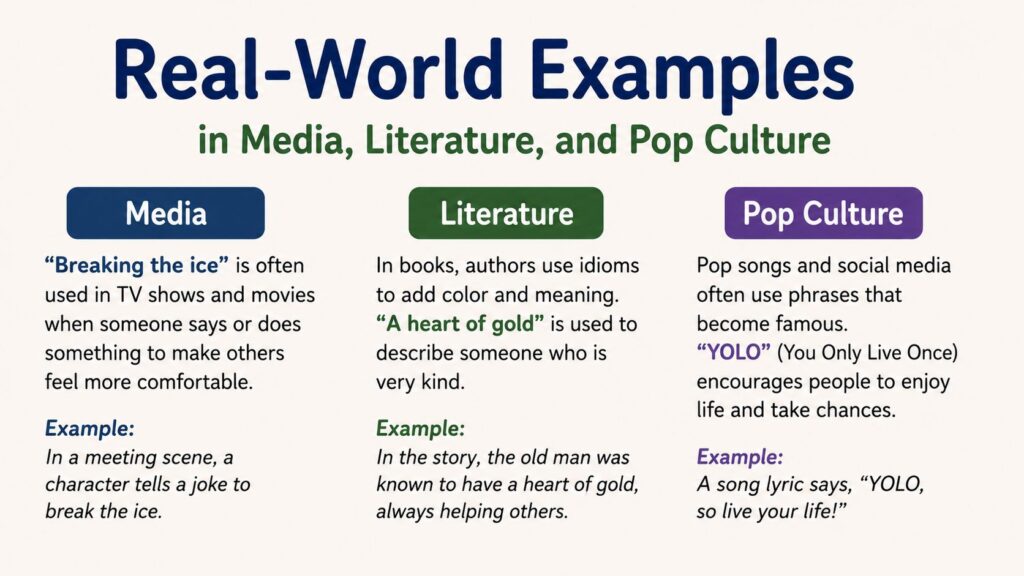
The phrase shows up frequently in journalism, especially in pieces discussing nostalgia, tradition, or reliable methods. Food writers use it constantly when describing family recipes. Sports commentators use it to describe reliable plays or strategies teams fall back on during high-pressure moments. Financial writers use it when describing conservative, low-risk investment strategies compared to riskier new options.
How Song Titles, Book Titles, and Headlines Use the Phrase
You’ll also spot “tried and true” (and its hyphenated form) in headlines and titles across different media, usually as a way to signal comfort, nostalgia, or dependability right in the title itself. It’s a phrase that instantly sets audience expectations: whatever follows is going to feel familiar and safe, not experimental.
Recipe blogs and cooking columns reach for the phrase constantly, since food writing thrives on the emotional pull of tradition. A headline like “5 Tried-and-True Ways to Fix a Broken Sauce” promises the reader something practical and dependable, not a risky kitchen experiment. Home improvement and DIY writers use it the same way, often pairing it with words like “classic” or “old-school” to reinforce the sense of a technique that’s earned its place through repetition rather than trend-chasing.
Sports journalism leans on the phrase too, especially in play-by-play analysis. A commentator might describe a coach’s fourth-quarter play call as “the tried-and-true option,” meaning it’s the safe, high-percentage choice rather than a risky gamble. That single phrase communicates strategy, history, and confidence all at once, which is exactly why it’s such an efficient tool for writers working under a tight word count or a fast broadcast clock.
Even outside formal writing, you’ll hear the phrase used constantly in interviews, podcasts, and everyday storytelling, wherever someone wants to vouch for something without launching into a long explanation of why it works. It’s become a kind of verbal shortcut for “trust me on this one.”
ALSO READ: CFS Meaning: What It Stands For & How People Use It Today 2026
How to Decide When “Tried and True” Is the Right Word Choice
Use It When…
- You genuinely want to emphasize a long track record of success.
- The tone of your writing is casual, warm, or nostalgic.
- You’re describing something with real repeated use behind it, not just a new claim.
- You want to build trust quickly with a reader or customer.
Reach for a Different Word When…
- You’re writing in a formal, academic, or scientific context (use proven instead).
- The subject is genuinely new or unproven (avoid the phrase entirely).
- You’ve already used it multiple times in the same piece (swap in a synonym to avoid repetition).
- Your audience or industry values innovation over tradition, where the phrase might read as a subtle insult rather than praise.
A good rule of thumb: if you could replace “tried and true” with “boring but reliable” and the sentence still makes sense in context, you’re probably using it correctly. If swapping in “boring” would insult the subject, you might be reaching for the phrase out of habit rather than accuracy, and it’s worth picking a more precise word instead.
FAQs
Is “tried and true” one word or two words?
It’s always written as three separate words: “tried and true.” It’s never combined into one word.
What does “tried and true” mean in a sentence?
It describes something reliable and proven through repeated use, like a method, product, or person you trust based on past experience.
Is “tried and true” formal or informal?
It’s considered informal to neutral, making it a great fit for conversational writing, marketing copy, and everyday speech rather than technical or academic papers.
What part of speech is “tried and true”?
It functions as a compound adjective, describing a noun as dependable and tested rather than acting as a verb or noun itself.
Does “tried and true” need a comma before “and”?
No. Since “tried and true” is a fixed two-word phrase joined by “and,” it never takes a comma between the words.
conclusion
Now you know the full tried and true meaning. It points to anything tested, trusted, and proven over time. From old family recipes to reliable business strategies, this phrase carries real weight. Use it when something has truly earned your trust, not just when it’s new.
Keep the hyphen rules in mind too. Hyphenate before a noun. Skip it after a verb. Small details like this make your writing shine. Understanding the tried and true meaning helps you write clearer, sound more natural, and connect better with readers. Simple words, used well, always win.